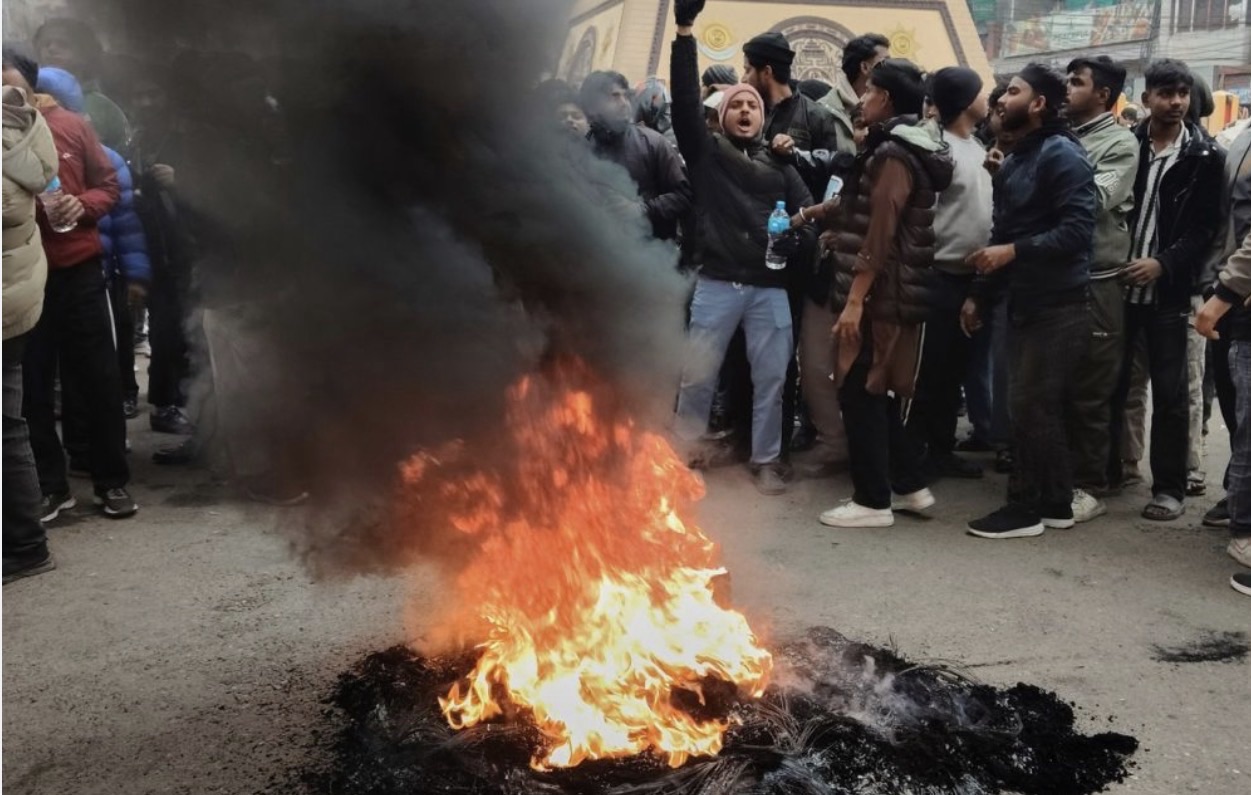
Unrest Erupts in Nepal’s Border Towns
Tensions escalated in southern Nepal after a mosque was vandalised, triggering protests, curfews, and heightened security in several border districts. The unrest, centered around Birgunj in Parsa district, prompted Indian authorities to temporarily seal the Nepal–India border as a precautionary measure.
The incident has raised serious concerns over communal harmony, misinformation on social media, and regional security, especially in towns closely linked through trade and daily cross-border movement.
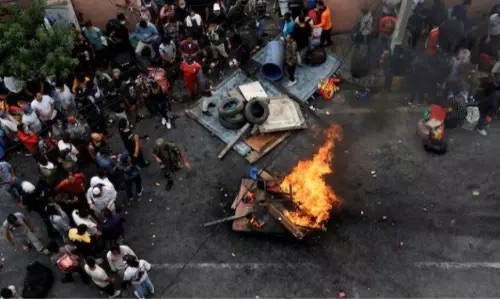
Unrest erupted in southern Nepal after a mosque was vandalised, triggering protests and curfews in Birgunj. India sealed the Nepal border amid rising security concerns.
⸻

What Sparked the Violence?
The unrest reportedly began after a video circulated on social media, which many locals believed contained content offensive to religious sentiments. As emotions intensified, protests broke out, eventually leading to the vandalisation of a mosque in the Sakhuwa Maran area.
What started as online outrage soon spilled onto the streets, highlighting how viral misinformation and sensitive religious issues can rapidly escalate into public disorder.
⸻
Protests and Curfew in Birgunj
Birgunj, a key commercial city near the Indian border, witnessed large demonstrations, road blockades, and clashes between protesters and police. Authorities were forced to deploy tear gas to control crowds.
To prevent further violence, local administration imposed a strict curfew, prohibiting public gatherings and movement. Markets, schools, and businesses were shut down as security forces patrolled the streets to maintain law and order.
⸻
India Seals Nepal Border
Given the proximity of the unrest to Indian territory, India sealed several border points, allowing only emergency services to cross. Security was reinforced at major crossings, including the Maitri Bridge, with additional patrols and monitoring.
The border closure disrupted cross-border trade, employment, and daily travel, affecting thousands who rely on free movement between Nepal and India.
⸻
Impact on Local Communities and Trade
Birgunj serves as one of Nepal’s most important trade gateways with India. The unrest and border restrictions have resulted in:
• Closure of shops and markets
• Suspension of trade activities
• Workers returning to India due to safety concerns
• Heightened fear among local residents
Authorities on both sides are urging calm while investigations continue.
⸻
Why This Situation Matters
Nepal is generally known for its religious tolerance and social harmony, making incidents like this particularly concerning. Experts warn that social media misinformation, when combined with religious sensitivity, can destabilize even peaceful regions.
The situation also underscores the interconnected security dynamics between Nepal and India, where unrest in one region can quickly impact the other.
⸻
Current Status and Outlook
As of now:
• Curfews remain in effect in affected areas
• Security forces are on high alert
• Authorities are working to restore peace
• Border restrictions may ease once stability returns
Both governments continue to monitor developments closely.
⸻
Conclusion
The unrest in southern Nepal following the mosque vandalism is a stark reminder of how quickly tensions can escalate in border regions. With curfews imposed and the India–Nepal border temporarily sealed, restoring peace and trust remains the top priority for authorities.
Responsible use of social media, transparent investigations, and community dialogue will be crucial in preventing similar incidents in the future.
