Table of Contents
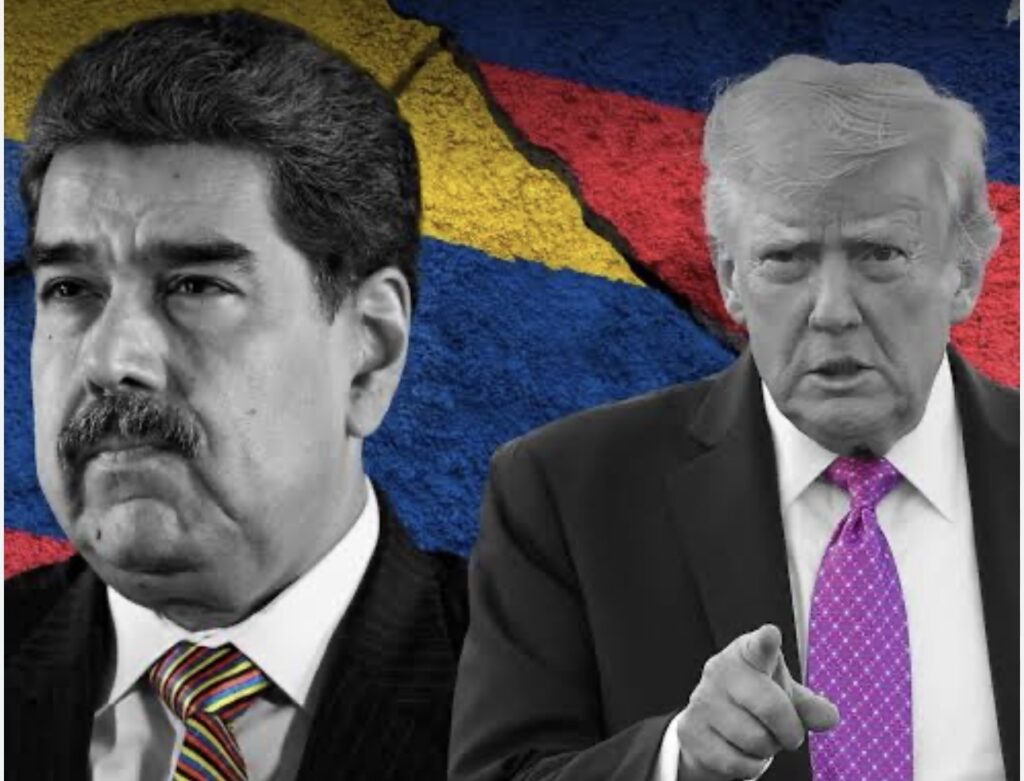
January 4, 2026 — In a dramatic and unprecedented escalation of U.S.–Latin America tensions, U.S. forces launched a large-scale military operation inside Venezuela on January 3, resulting in the capture and transport of President Nicolás Maduro and his wife, Cilia Flores, to the United States to face federal charges. The operation—codenamed Operation Absolute Resolve—followed months of deteriorating relations between Washington and Caracas and has triggered widespread international debate on sovereignty, international law, and geopolitical balance.
What Happened in Venezuela
According to U.S. officials, elite military forces conducted coordinated strikes and seized Maduro and Flores, bringing them to New York where they are expected to appear in federal court on narcotics-related charges. The Biden administration’s earlier indictment was superseded by a broader U.S. charge alleging ties between Venezuela’s political leadership and international drug trafficking networks.
President Trump said the United States would govern Venezuela “temporarily” until a safe transition can be arranged, framing the mission as part of a broader effort against “narco-terrorism.” However, his comments have triggered concern among global partners and adversaries alike.
International Reaction and Legal Debate
The operation has drawn strong criticism from world leaders and international institutions:

United Nations Secretary-General António Guterres called the escalation a “dangerous precedent” and urged respect for international law. Russia, China, and several Latin American governments condemned the U.S. intervention as a violation of sovereignty. European officials expressed concern but stopped short of outright denunciation, emphasizing the need for lawful, peaceful solutions.
The UN Security Council is scheduled to meet to address the implications of the U.S. military action, highlighting deep divisions over the legality and long-term impact of the intervention.
Regional Instability and Humanitarian Risks
The U.S. strikes reportedly resulted in casualties and significant infrastructural damage, prompting fears of further instability in Venezuela and neighboring countries. Refugee flows, economic disruption, and potential retaliation by Maduro loyalists or allied nations could exacerbate regional tensions.
World leaders warn that the breach of sovereignty could embolden other powers to ignore international norms when convenient, drawing comparisons to past unilateral actions in Iraq and elsewhere.
What This Means for Nepal
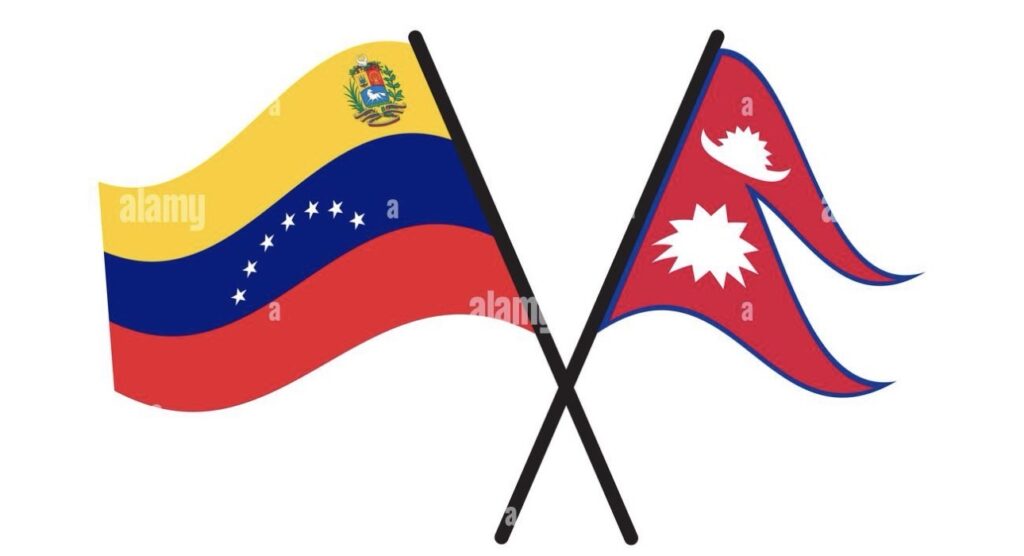
Though Nepal is geographically distant and politically nonaligned, several broader principles and lessons are worth noting:
1. Sovereignty and International Law
Nepal’s foreign policy emphasizes respect for national sovereignty and non-interference. The Venezuelan case underscores the fragility of these principles when a major power chooses unilateral military action. Middle powers must carefully balance strategic interests with international law to avoid similar controversies.
2. Geopolitical Precedent
If powerful states justify cross-border military interventions to pursue legal or security objectives, smaller nations may find international norms less predictable. Nepal may wish to strengthen diplomatic ties with multiple global powers to ensure balanced support if regional crises emerge.
3. Diplomatic and Economic Balance
Venezuela’s crisis was tied in part to resource politics—particularly oil. While Nepal does not have hydrocarbon wealth, its geopolitical positioning between India and China makes it sensitive to great-power competition. Understanding how major states assert influence can help Nepal calibrate its engagements without becoming entangled in external rivalries.
4. Role of Multilateral Institutions
The Venezuelan situation highlights the importance of robust multilateral platforms like the United Nations to legitimize or challenge major actions. Nepal’s continued investment in international institutions could help bolster rules-based order that protects equitable treatment for all nations.
Looking Ahead
The aftermath of Maduro’s capture is likely to shape global diplomacy throughout 2026 and beyond. Debate over the legality of the intervention and its long-term effects on international stability is expected to intensify as the UN Security Council meets and as Venezuelan resistance persists.
For Nepal and similar middle powers, the situation is a stark reminder of the changing dynamics of global power, the importance of international legal norms, and the need for strategic diplomatic agility in an increasingly fractured world.
